
How to Edit Lookbook Images for a Stronger Brand and More Sales
Knowing how to edit lookbook images well can make the difference between a shop that feels forgettable and one that feels premium from the first scroll. Good lookbook photo editing is not about hiding flaws or piling on trendy effects. It is about making color accurate, skin tones believable, fabrics detailed, and the whole set consistent enough that your brand feels intentional. Whether you are editing fashion photo editing campaigns, accessory shots, or e-commerce product photography for a digital catalog, the goal is the same: clean, cohesive images that help people trust what they see.
If you want a fast starting point for editorial-style images, try the FASHION Portrait Lightroom Presets and browse the full Lightroom Presets for Mobile & Desktop collection. When you are testing multiple looks for one campaign, having a consistent preset base saves serious time—and you can Buy 3, Get 9 FREE when you add 12 to your cart.
Here’s why this matters: your lookbook is often doing the job of an in-store salesperson. It has to communicate quality, fit, mood, and detail in seconds. If you also shoot product close-ups, the workflow in The Best Lightroom Presets for E-commerce & Product Photography pairs especially well with detailed accessory work and clean catalog images.
Why Editing Lookbook Images Matters More Than Most Brands Think
Raw photos can be beautiful, but raw files almost never look finished. Cameras flatten contrast, mixed lighting shifts color, and even strong styling can fall apart if the edit is inconsistent from frame to frame. Lookbook photo editing fixes that.
- It builds trust. Accurate white balance and color correction make clothing, jewelry, and accessories look believable.
- It strengthens your brand. A consistent edit across a full set makes your catalog feel curated instead of random.
- It improves product clarity. Texture in denim, knitwear, leather, metal, and skin becomes easier to read.
- It speeds up decision-making. Customers do not have to guess whether the item is warm beige, cool gray, or overly filtered bronze.
- It gives your campaigns a signature feel. This is where Lightroom presets and careful Photoshop retouching work together best.
I tested a version of this workflow on a fashion set shot partly in window light and partly under store lighting, and the images only started to feel premium after I matched white balance before touching contrast. That one change made the whole gallery feel like one campaign instead of two separate shoots.
A Practical Lightroom-First Workflow for Editing Lookbook Images
Let’s break it down into a workflow that is fast enough for real client work and clean enough for brand-level results.
1. Start with crop, alignment, and frame selection
Before color, fix structure. Choose the strongest frames first, then crop for consistency. In a lookbook, weak composition stands out faster than weak color.
- Keep horizon lines and door frames straight.
- Leave enough negative space for web banners, catalog layouts, or text overlays.
- Use similar crop ratios across a set so your shop feels organized.
- Check whether the product is centered by importance, not by geometry.
If your campaign mixes outfit-wide shots and tighter portraits, keeping the crop logic consistent matters just as much as color consistency.
2. Fix white balance before you touch color style
This is the step people rush, and it causes problems later. If the white balance is off, every saturation, skin tone, and fabric adjustment becomes less reliable. Adobe’s official tone and color workflow for Lightroom Classic is a solid reference here.
Look for these common problems:
- Window light: often cooler than you expect.
- Indoor tungsten: pushes skin and fabric too orange.
- Mixed retail lighting: can create green or magenta shifts.
- Reflective products: can pick up nearby wall colors and pollute neutrals.
A good rule: get whites, grays, and skin close to natural first. Style comes after accuracy.
3. Balance exposure for both product detail and skin
Lookbook images fail when the clothes look great but skin looks dull, or when skin looks bright but fabric loses detail. Aim for balance:
- Set overall exposure so the image feels open and readable.
- Pull highlights back if white shirts, satin, or jewelry are clipping.
- Lift shadows carefully so black garments still keep shape.
- Set whites and blacks last so the image has punch without crushing texture.
For more precise local adjustments, use Adobe’s guide to masking in Lightroom Classic. Masks are especially useful when you need to brighten a face, soften a shadow under a hat, or control a bright background without flattening the whole frame.
4. Use color editing to support the product, not overpower it
This is where fashion photo editing becomes brand work. Your edit should support the clothes and accessories, not compete with them.
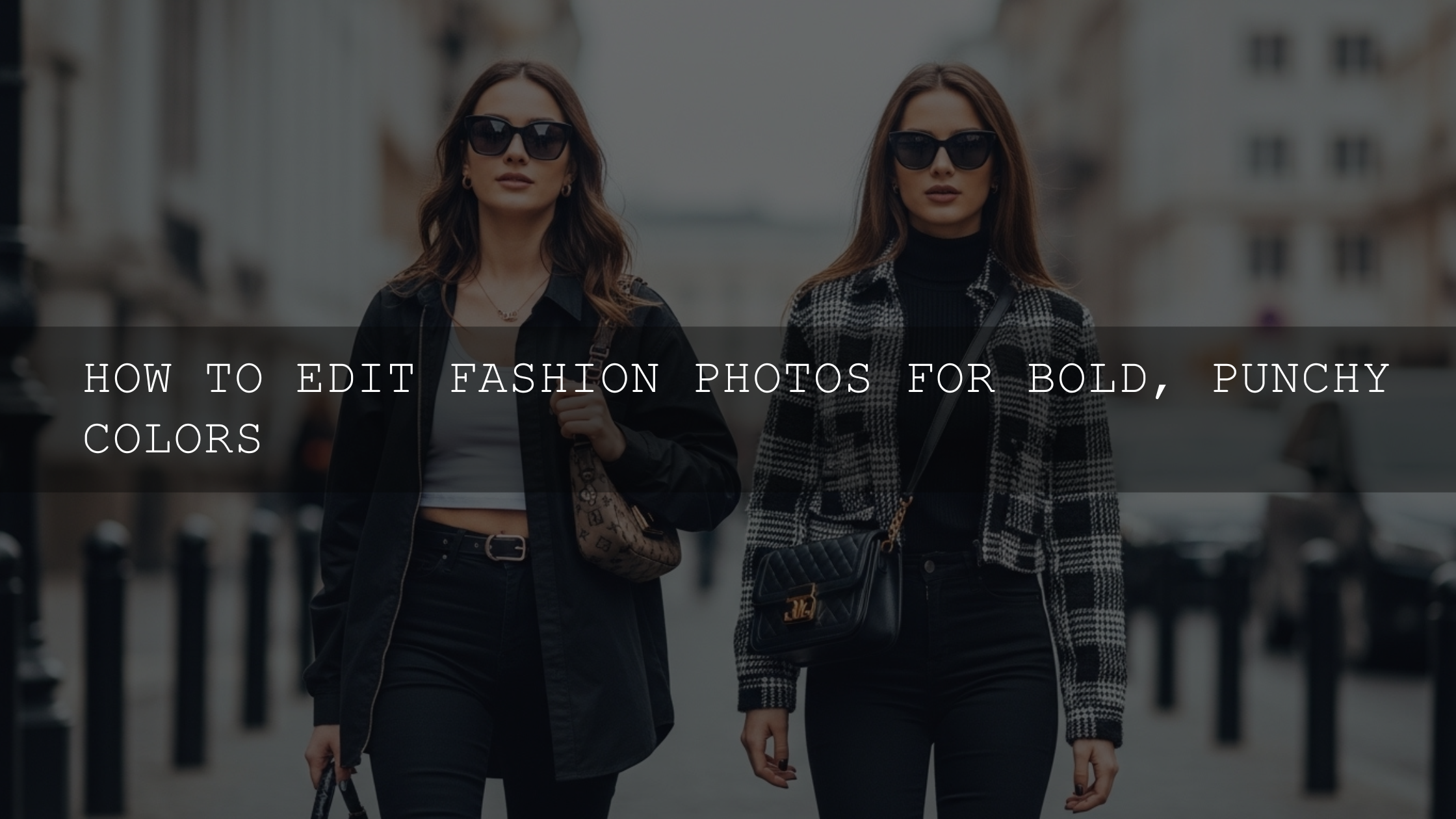
If you shoot seasonal editorials, the workflow in Fall Fashion Photography: Editing for Bold Colors & Contrast is a useful reference for shaping rich wardrobe color without making skin tones muddy.
- Use Vibrance before Saturation if your images already have strong wardrobe colors.
- Adjust HSL selectively when one color family is drifting. Reds in jackets and lip color often need separate attention.
- Protect neutrals so whites, blacks, and creams stay believable.
- Watch brand colors if your client depends on a specific tone in packaging or styling.
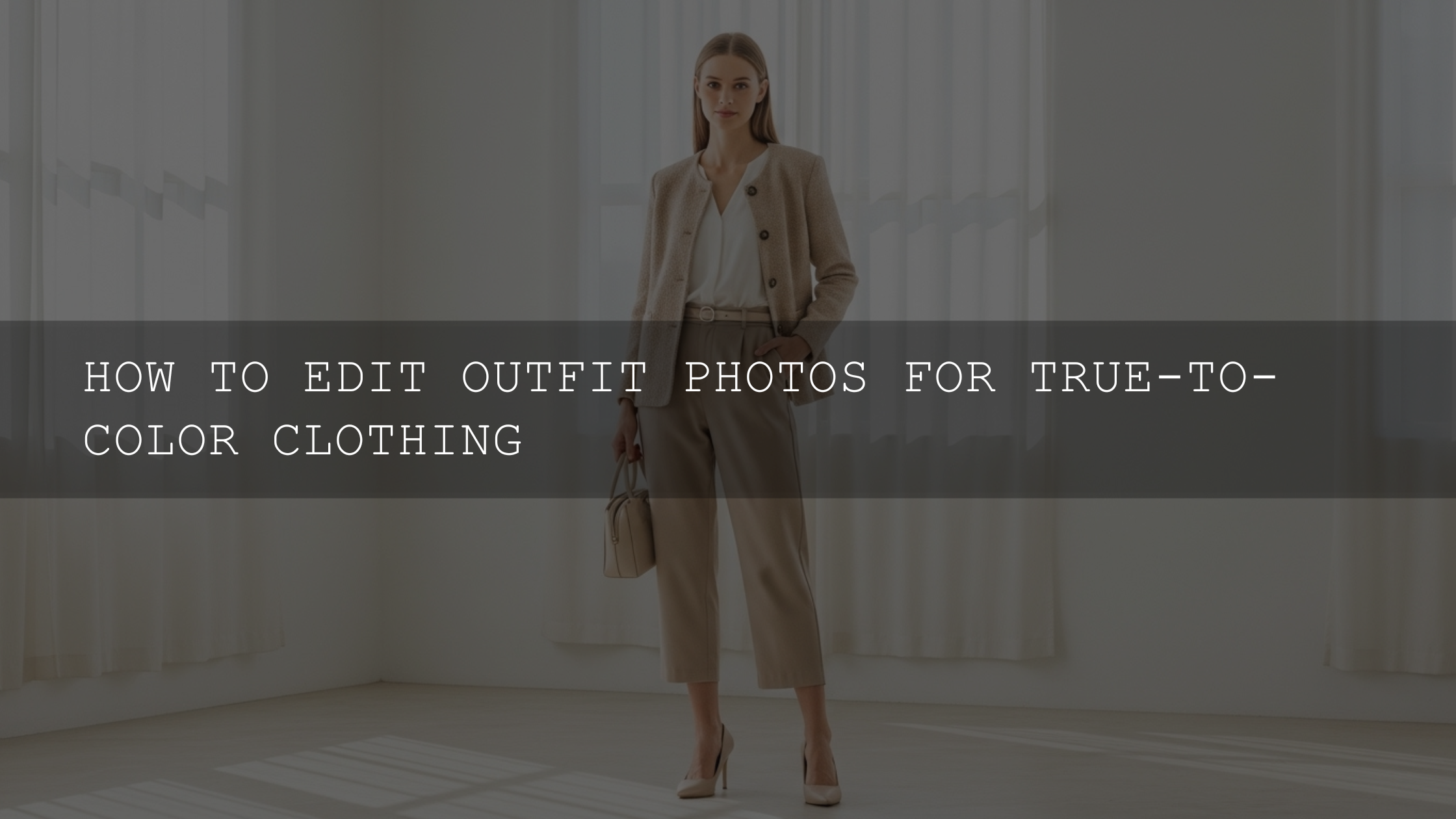
Pro tip you can test right away: if beige or cream clothing starts looking dirty after contrast adjustments, reduce Yellow Saturation slightly and raise Orange Luminance a touch. That often restores a cleaner premium feel.
5. Retouch distractions, not identity
Photoshop should refine the image, not erase the person. In lookbook work, the best retouching is often the least noticeable. Use it to remove distractions like lint, wrinkles on seamless paper, temporary blemishes, sensor dust, or awkward background elements. Adobe’s retouch tools overview in Photoshop is helpful if you want a quick refresher.
Good retouch targets include:
- Stray threads on dark clothing
- Lint on jackets and knitwear
- Dust on shoes, accessories, and product surfaces
- Distracting folds in backdrops
- Temporary skin issues that are not part of the person’s identity
When I’m editing black fabric or glossy accessories, I always zoom to 100% before sharpening because halos show up fast in lookbook images. That one habit prevents the crunchy, overprocessed feel a lot of catalog edits suffer from.
6. Match skin tones across the full gallery
This is where many otherwise good campaigns break. One image looks warm, the next looks magenta, the next goes flat. If your set includes close portraits, the guide on editing natural, stunning skin tones is worth reading, especially if your lookbook mixes lighting conditions or different complexions.
Try this quick sequence:
- Correct global white balance.
- Use a People or Subject mask for the face.
- Reduce orange or red saturation only if skin is drifting too warm.
- Lift midtones gently instead of blasting exposure.
- Compare frames side by side before syncing settings.
If you edit portraits often, the Portrait Lightroom Presets collection gives you more flexible starting points for skin, detail, and light balance.
7. Use presets for speed, then finish manually
Presets are best used as a starting point, not a substitute for judgment. This is where a lot of photographers either save hours or lose control.
Presets vs Manual Editing for Lookbook Images
Presets win on speed and consistency. If you have 40 to 120 frames from one shoot, a good preset gives you a unified base in seconds.
Manual editing wins on precision. Every campaign still needs custom white balance, local masks, skin checks, and exposure refinement.
- Use presets when: you want a consistent starting point, a faster workflow, or a repeatable brand look.
- Use manual tweaks when: lighting changed between setups, skin tones vary, or one product color needs special care.
- Use both when: you want professional speed without the “same filter on every image” problem.
For editorial-style lookbooks, the Bright Cinematic Lightroom Presets can be a strong base for airy campaigns, while the FASHION Portrait Lightroom Presets are better suited to polished fashion sets with stronger contrast and cleaner skin rendering.
If you like building a custom house style, this guide to stacking presets is useful for creating a signature finish without starting from zero every time.
How to Keep a Full Lookbook Consistent
Consistency is what separates “a set of edited photos” from “a real lookbook.”
- Edit a hero image first. Choose the frame that best represents the campaign mood.
- Create two or three variants. One for close portraits, one for full-body images, one for detail shots.
- Sync carefully. Sync color and contrast, then adjust exposure individually.
- Compare in grid view. Look for frames that suddenly feel too cold, too dark, or too saturated.
- Export a test batch. Review on desktop and mobile before exporting the full set.
If your shoot includes hard midday light, the workflow in Editing Outdoor Portraits in Harsh Sunlight helps when shadows and skin start fighting each other.
Real-World Examples of What to Fix in Lookbook Photo Editing
- Fashion brand: Jacket texture looks flat. Fix with selective contrast, subtle sharpening, and cleaner blacks.
- Jewelry or accessory label: Metal reflections are messy. Lower highlights, retouch dust, and keep whites neutral. For tighter accessory work, try Jewelry Product Photography Lightroom Presets.
- Tech accessories: Product edges look soft and backgrounds feel muddy. Straighten, clean reflections, and use careful local contrast.
- Lifestyle catalog: Each scene has different light. Use one preset base, then fix white balance image by image.
Export Settings That Keep Your Images Sharp Without Slowing Your Shop
The edit is not finished until the export is right. Great lookbook images can still fail if the files are too large, too flat, or inconsistent on the web.
- Use sRGB for reliable web color.
- Resize for purpose instead of uploading full-resolution originals.
- Sharpen for screen after resizing, not before.
- Check zoomed details on fabric, hair, jewelry, and edges.
- Keep filenames descriptive for better workflow and cleaner asset management.
If you want a versatile pack for testing multiple moods across one campaign, the 1000+ Master Lightroom Presets Bundle gives you enough range to build bright, clean, moody, or editorial variations without hunting for a new base every time. You can also browse broader sets in the Ultimate Lightroom Presets Bundle Collection.
A Simple Editing Checklist You Can Use on Every Lookbook Shoot
- Pick the strongest frames first.
- Straighten and crop for consistency.
- Fix white balance before styling color.
- Balance exposure for both skin and product detail.
- Apply a preset base.
- Refine HSL and masks.
- Retouch distractions in Photoshop.
- Compare the full gallery side by side.
- Sharpen carefully.
- Export for web in sRGB.
If you are ready to build a faster workflow, start with the FASHION Portrait Lightroom Presets, expand with the 1000+ Master Lightroom Presets Bundle, and browse the full Lightroom Presets for Mobile & Desktop library for different campaign moods. It is an easy way to create a polished lookbook workflow while taking advantage of the Buy 3, Get 9 FREE offer.
What is the best software for editing lookbook images?
For most creators, Lightroom is the best place to start because it is fast, consistent, and excellent for batch editing. Photoshop is best for detailed retouching, cleanup, and precision fixes after your base edit is done.
Should I use presets on lookbook images?
Yes, but use them as a starting point. The strongest workflow is preset first, then manual adjustments for white balance, skin, exposure, and product color accuracy.
How much retouching is too much for fashion lookbooks?
Too much retouching is anything that starts making skin, texture, or garments look fake. Clean distractions, but keep natural detail so the images still feel trustworthy and premium.
How do I keep colors consistent across a full campaign?
Edit one hero image first, build a consistent preset base, and sync core settings across similar frames. After that, correct exposure and white balance individually so each image still feels matched.
What should I sharpen in a lookbook image?
Sharpen product edges, fabric texture, accessories, and important facial detail lightly. Avoid over-sharpening smooth skin or plain backgrounds because that is where images start to look harsh and artificial.
Written by Asanka — creator of AAAPresets (10,000+ customers).

Leave a comment
This site is protected by hCaptcha and the hCaptcha Privacy Policy and Terms of Service apply.