
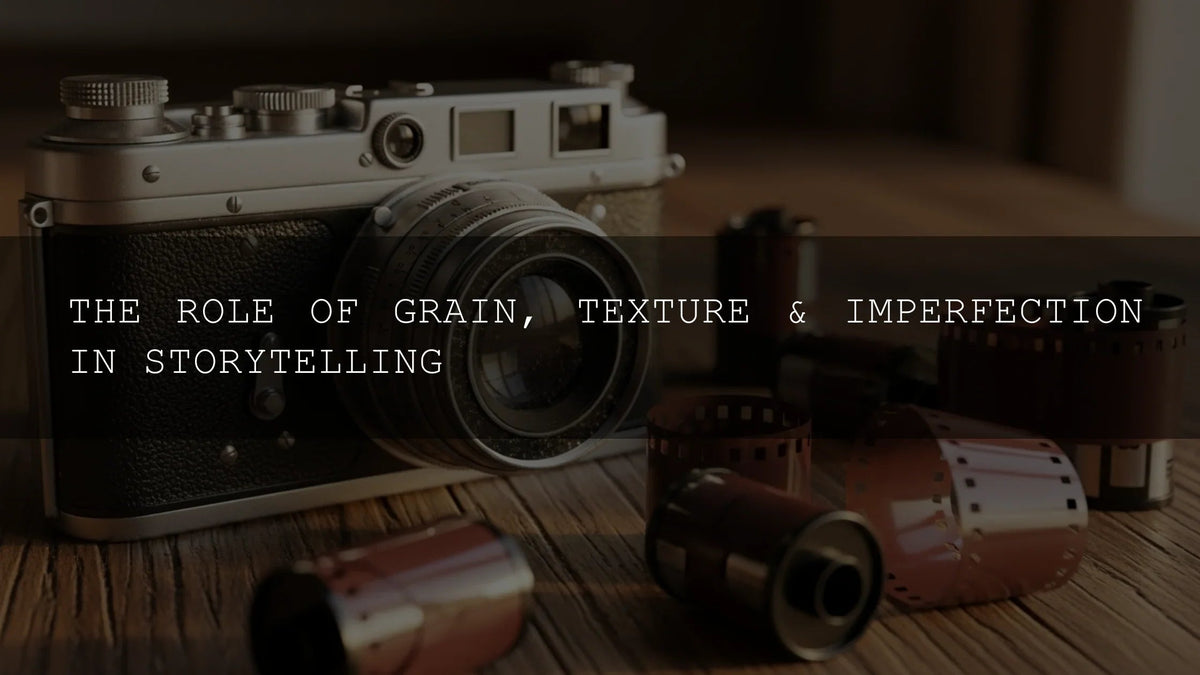
We're Drowning in Digital Polish. Are We Losing the Plot?
It's an undeniable truth: we live in an era of unprecedented visual fidelity. Our screens boast resolutions that would make our grandparents weep, colors explode with HDR vibrancy, and digital tools offer us the power to erase virtually any perceived flaw. We’re constantly striving for that razor-sharp, hyper-realistic, almost impossibly smooth aesthetic. But as we chase this digital perfection, a crucial question emerges: does this relentless pursuit actually make for better storytelling? Or are we, in our quest for an unblemished façade, inadvertently stripping away the very elements that make stories truly resonate and connect with us on a profound, human level? The sheer volume of content being produced means that standing out requires more than just a good idea; it demands a nuanced understanding of how we evoke genuine emotion and create lasting impressions. While pristine visuals can be impressive, they often lack the soul that draws us in and keeps us invested. This is where the subtler, often overlooked, elements of grain, texture, and imperfection come into play, acting as the unseen architects of compelling narratives.
Grain: The Whispers of Authenticity and Emotion
Let’s delve into the often-maligned world of 'grain.' In the annals of photography and filmmaking, grain (or digital noise) was once the enemy, a technical blemish to be ruthlessly eradicated. Yet, this very 'flaw' is a potent storytelling tool. Think back to those iconic black and white films – the atmospheric grain wasn't merely a historical artifact of analog processes; it was an active participant in the narrative. It lent weight, mood, and an undeniable emotional texture to every frame. Embracing grain is a conscious artistic decision that can:
- Ground the Narrative in Reality: Grain can inject a palpable sense of realism, making the fictional world feel more tangible, lived-in, and believable. It reminds us that what we're seeing has a materiality, a physicality, and a connection to the world we understand. This is particularly effective in genres aiming for authenticity, like historical dramas or gritty thrillers.
- Evoke Nostalgia, Timelessness, and a Sense of History: A subtle grain can transport audiences, conjuring feelings of nostalgia, history, and a connection to the past, lending a timeless quality to the story. It can evoke memories of analog media, making the present feel more connected to enduring human experiences.
- Amplify Emotional Resonance and Intensity: In moments of intense drama, suspense, or profound introspection, grain can heighten the emotional impact, mirroring the rawness and intensity of human experience. It can make heightened emotions feel more grounded and authentic, rather than artificial or overly dramatized.
- Forge a Distinct Visual Identity and Artistic Voice: In a sea of overly clean, digital imagery, a carefully applied grain can establish a unique visual signature, making the storytelling stand out and feel more artistic. It signals a deliberate aesthetic choice, differentiating the work from more conventional productions.
- Create a Dreamlike or Ethereal Quality: Beyond realism, specific types of grain or noise can contribute to a dreamlike, surreal, or even nightmarish atmosphere, depending on how it's utilized. It can soften edges and introduce an element of the uncanny.
The deliberate use of grain in contemporary storytelling is a powerful counterpoint to the sterile perfection of modern digital capture. It’s about choosing intentionality, about adding a layer of 'analog soul' to digital mediums. It's a deliberate rejection of the 'too perfect' look that can sometimes alienate viewers. When employed thoughtfully, grain doesn't detract; it enhances, adding a layer of perceived depth and emotional complexity that clean images often lack.
Texture: The Sensory Language of Your World
Beyond grain, the richness of texture is paramount in building immersive and believable narrative worlds. Texture refers to the perceived surface quality of objects – the rough, comforting weave of a familiar blanket, the cold, unyielding surface of a metal railing, the gritty accumulation of dust on an abandoned artifact, or the delicate, papery feel of an ancient map. When a story’s visual language is rich with texture, it bypasses purely visual information and engages our sense of touch, making the experience far more visceral and memorable. Our brains are hardwired to interpret sensory information, and texture is a vital component of this.
- Breathing Life into Environments: Textured visuals make settings feel more real and tangible, allowing audiences to almost feel the environment they are witnessing. A rough-hewn wooden table feels different from a polished marble countertop, and these tactile differences convey information about the setting's history, status, and purpose.
- Communicating History, Character, and Context: The texture of an object – the worn leather of a diary, the smooth polish of a family heirloom, the chipped paint on a childhood toy, the rough, calloused hands of a laborer – speaks volumes about its history and the people who have interacted with it. It’s a shortcut to understanding character and backstory without exposition.
- Enhancing Visual Dynamics and Depth: The interplay of different textures creates visual interest and depth, guiding the viewer's eye and highlighting important narrative elements. The contrast between smooth and rough, soft and hard, creates visual dynamism that keeps the audience engaged.
- Crafting Atmosphere and Mood: Imagine the difference between the slick, sterile textures of a futuristic laboratory and the damp, organic textures of a primordial jungle. Texture is a fundamental tool for establishing atmosphere and mood, subtly influencing the audience’s emotional state.
- Adding Sensory Richness to the Narrative: Good storytelling doesn’t just show; it makes us feel. Rich textures contribute to a multi-sensory experience, making the story feel more complete and engaging.
Consider the deliberate choice of a cinematographer to linger on the intricate patterns of tree bark, the subtle imperfections of a hand-thrown ceramic pot, or the weathered lines on an actor's face. These are not mere background details; they are deliberate narrative choices that enrich our understanding and deepen our emotional investment. In 2026, with the rise of advanced CGI, the ability to render realistic textures is easier than ever, but it's the artistic application of these textures – their thematic relevance and emotional weight – that truly elevates a story.
Imperfection: The Unvarnished Truth of Humanity
Perhaps the most profound element in compelling storytelling is the embrace of imperfection. As human beings, we are inherently flawed. Our lives are a tapestry woven with mistakes, doubts, uncertainties, and emotional complexities. Stories that dare to reflect this messy, unpredictable reality are the ones that truly connect. Absolute perfection, in characters or narrative, often rings false and can create a distance between the audience and the story. Imperfection, conversely, is the bedrock of relatability and empathy.
- The Universal Appeal of Flawed Characters: A hero who is always right, always strong, and never falters is less engaging than one who grapples with self-doubt, makes critical errors, and learns through failure. These characters feel human, authentic, and inspire empathy because we recognize ourselves in their struggles. Their journey becomes our journey.
- The Narrative Resonance of Ambiguity and Unresolved Arcs: Not every question needs an answer. Leaving certain narrative threads unresolved or introducing moments of ambiguity can be far more powerful than providing neat, tidy conclusions. It invites the audience to actively participate in interpreting the story, fostering deeper engagement and contemplation. This is especially true in complex, character-driven narratives.
- Visual Cues of Reality and Emotional Truth: Small 'flaws' in the visual presentation – a slightly shaky camera during a moment of panic, a character’s awkward pause or stammer, a prop that isn't quite perfect or shows signs of wear – can enhance the sense of realism and emotional truth. These 'errors' can paradoxically make the scene feel more authentic and impactful.
- Embracing Emotional Complexity and Nuance: Stories that don't shy away from depicting the full spectrum of human emotion – including vulnerability, fear, regret, confusion, and anger – are often the most moving and memorable. Showing the messy, conflicting nature of emotions makes characters and situations feel more real.
- The Beauty of the Unplanned: Sometimes, the most captivating moments arise from unexpected circumstances or improvisations. Allowing for these 'imperfect' moments, whether in performance or narrative development, can lead to organic and powerful storytelling.
In an age where curated online lives and polished public personas are the norm, stories that champion imperfection offer a vital counter-narrative. They remind us that vulnerability is a strength, that growth is often born from struggle, and that there is profound beauty to be found in the cracks and scars of our experiences. These stories validate our own imperfections and foster a sense of shared humanity.
The Art of Intentional Imperfection: A Storyteller's Compass
As storytellers, we stand at a fascinating crossroads. We have the tools to create images and narratives of unparalleled clarity and polish. However, the true artistry lies not in achieving a sterile, digital perfection, but in understanding how to wield elements like grain, texture, and imperfection as deliberate narrative instruments. These are not accidents to be fixed, but essential components that:
- Deepen emotional engagement by making characters and situations more relatable.
- Enhance realism and immersion by mirroring the complexities of the real world.
- Add layers of meaning and subtext, inviting deeper interpretation and reflection.
- Create a unique and memorable aesthetic that stands out in a crowded media landscape.
- Ultimately, make our stories more human, more resonant, and more impactful, forging a stronger connection with the audience.
The key is intentionality. It's about making conscious choices. Do you want a scene to feel cold and sterile, or warm and lived-in? Do you want a character to appear idealized, or deeply human? These decisions, often influenced by the subtle (or not-so-subtle) presence of grain, texture, and imperfection, profoundly shape the audience’s experience. It’s a sophisticated form of communication that speaks to our primal understanding of the world. So, let us move beyond the fear of the unpolished. Let us actively seek out and embrace the grain, celebrate the richness of texture, and find the profound beauty in imperfection. For it is in these 'flaws' that the true heart of storytelling beats strongest, connecting us to our shared humanity in ways that flawless perfection never could. The stories that truly linger are not the ones that are flawlessly smooth, but the ones that feel undeniably real, rich with the texture of life itself, and brave enough to show us their beautiful, imperfect souls.



Leave a comment
This site is protected by hCaptcha and the hCaptcha Privacy Policy and Terms of Service apply.