The Allure of LUTs in Mobile Video Editing
Look Up Tables (LUTs) have revolutionized video editing, providing a quick and efficient way to achieve professional-looking color grades. These pre-programmed color recipes transform the look of your footage, adding depth, vibrancy, and a consistent cinematic style. They're no longer the exclusive domain of high-end desktop software. While traditionally used in desktop software like Adobe Premiere Pro, DaVinci Resolve, and Final Cut Pro, the question remains: can you harness the power of LUTs within the confines of popular mobile editing apps like CapCut and VN? The answer is nuanced, but the possibilities are exciting.
Understanding the Limitations: Why Direct LUT Import Isn't Always Possible
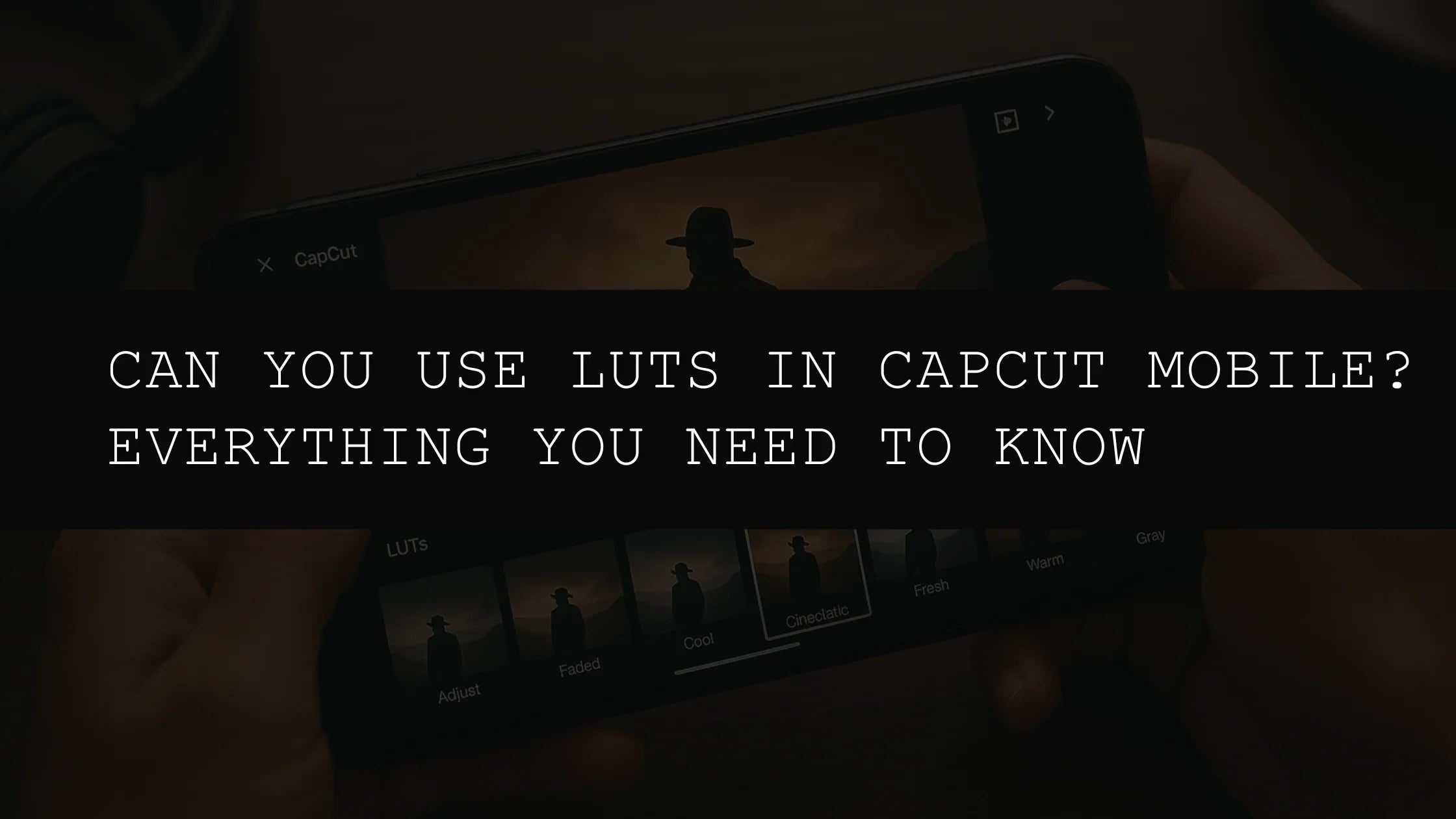
CapCut and VN, despite their impressive feature sets, don't natively support the standard .cube file format used for LUTs. This incompatibility stems from the fundamental differences between desktop and mobile editing environments. Desktop software boasts significantly more processing power and greater memory capacity, allowing for the complex calculations and data manipulation required for handling .cube files. Mobile devices, while increasingly powerful, still face limitations in processing power, which makes seamless, direct LUT integration challenging. This is further complicated by the need to optimize file sizes for mobile devices.
Furthermore, the file format itself is not optimized for mobile. Cube files are designed for professional applications and are often larger in size, making them difficult to work with on limited mobile storage.
Effective Workarounds: Achieving LUT-Like Results on Mobile
While direct integration is not a standard feature, several effective workarounds allow you to achieve similar results using your favorite mobile apps. Let's explore these practical solutions in detail:
1. The Pre-Grading Method: Desktop Power, Mobile Convenience
This tried-and-true method leverages the power of desktop software for color grading, which effectively bypasses the compatibility issues of mobile applications. Here's a detailed step-by-step guide:
- Choose your desktop software: Select your preferred desktop editing software (Premiere Pro, DaVinci Resolve, Final Cut Pro, etc.) based on your familiarity and feature needs. DaVinci Resolve's free version is a powerful option for those on a budget.
- Import footage and apply the LUT: Import your footage into your chosen desktop editing software. Import your LUT (.cube file). Apply the LUT to your footage, ensuring it's correctly assigned to the desired clips. This step is critical to achieve consistent color grading throughout the whole video. Adjust settings according to your preferences, fine-tuning the LUT's intensity or other parameters to match your creative vision.
- Refine the color grade (Optional): Don't hesitate to fine-tune the LUT. LUTs serve as a starting point for color grading. Utilize additional tools in the desktop software (color wheels, curves, etc.) to perfect your color grade. This adds a layer of customization and allows for more fine-grained control over the final look.
- Export pre-graded clips: Export the color-graded clips in a format compatible with CapCut or VN (e.g., MP4). Maintaining a high resolution (1080p or even 4K, depending on your project) during export preserves image quality.
- Import into mobile app: Import the pre-graded clips into your mobile app (CapCut or VN). Use the mobile app's capabilities to add transitions, effects, text, sound design, and any other desired mobile-based edits that aren't effectively handled on desktop. This keeps the editing workflow lean and allows for easy collaboration.
This method provides the most accurate and versatile approach, allowing you to leverage the precision of desktop software while retaining the convenience of mobile app editing.
2. Exploring Third-Party Mobile Editing Apps: Expanding Your Toolkit
The mobile editing landscape is constantly evolving. Some mobile editing apps directly support LUTs or offer similar functionality. However, it is important to note that mobile apps that support LUTs may have limitations in processing and performance compared to desktop programs. This could lead to longer rendering times or less flexibility in terms of applying LUTs and adjusting settings.
The process often involves importing the LUT file directly into the app or using a cloud-based workflow. This allows you to use the app to apply the LUT and then export your footage to your preferred mobile editing program like CapCut or VN.
It's essential to research and test different mobile editing apps compatible with your chosen LUTs. Each app has unique strengths and limitations, so experimentation is critical to finding the perfect fit for your workflow.
3. Leveraging Mobile-Optimized LUTs: Tailored for Mobile Devices
Some LUT creators are beginning to develop LUTs specifically optimized for mobile devices. These LUTs might involve smaller file sizes, modified color profiles, or simplified color grades, creating improved compatibility with mobile device limitations and reducing loading and processing times.
These mobile-optimized LUTs sometimes can be applied directly within certain mobile apps, potentially simplifying the workflow. However, you may still find it beneficial to utilize the pre-grading method for fine-tuning adjustments. Look for LUT packs that clearly state compatibility with specific mobile applications.
Showcase of Premium LUT Packs: Elevate Your Visuals
Regardless of your chosen editing method, high-quality LUTs significantly enhance your videos. Let's explore some exceptional options tailored for specific content styles:
For capturing the thrill of cycling, the Bike Influencer Cinematic Look LUTs Pack offers 8 professionally designed .CUBE LUTs, perfectly suited for moto-vloggers, street riders, and lifestyle creators. These LUTs are designed to enhance the color and contrast of outdoor shots, making your videos look more dynamic and engaging.
Food bloggers can dramatically improve their videos' aesthetic appeal with the Cinematic Bright Food LUTs. Designed specifically for food photography and videography, these LUTs enhance the vibrancy and detail of your culinary creations, making them more visually appealing to your audience. They are especially useful for improving the color of food in various lighting conditions.
For tech enthusiasts and workspace showcases, the Cinematic Desk Setup Studio LUTs Pack provides a clean and modern cinematic look, ideal for enhancing the presentation of your tech gear and workspace. These LUTs offer soft lighting and crisp contrast, resulting in a polished and professional aesthetic.
Fitness and workout video creators can dramatically improve their videos' visual quality using the Cinematic HDR Look Workout Video LUT. These LUTs are designed to enhance the vibrancy and clarity of workout videos, making them more engaging and motivating for your viewers.
For a touch of luxury and sophistication, the Cinematic Luxury Black Cinematic Video LUTs Pack delivers a moody and stylish cinematic aesthetic perfect for a variety of projects. The versatility of these LUTs allows you to achieve a wide range of looks, making them a great addition to any editor's toolkit.
Conclusion: Mastering Cinematic Color on Mobile
While CapCut and VN may not offer direct LUT integration, the workarounds discussed above provide effective pathways to achieve the desired cinematic color grading. By combining the pre-grading method with high-quality LUT packs, you can unlock a world of creative possibilities, bringing professional-level color correction to your mobile video editing workflow. Remember to experiment and discover the optimal technique for your style and the specific requirements of your projects. The key is to find the balance between convenience and quality, using the method that best suits your project and skill level.
Frequently Asked Questions (FAQs)
Q: Can I convert .cube files for use on CapCut or VN?
A: No, there is no reliable method to directly convert .cube files into formats compatible with CapCut or VN's native functionality. The pre-grading method remains the most effective and reliable approach for achieving LUT-like results. Attempts to force conversion might lead to poor quality results or file corruption.
Q: Are there any mobile apps that directly support LUTs?
A: Yes, but their functionality is limited. Some mobile editing apps now offer LUT support, either through direct import or cloud-based workflows. However, their compatibility and performance might vary. Be sure to research the specific apps and their compatibility with your LUTs and mobile device.
Q: What are the benefits of using LUTs, especially on mobile?
A: LUTs significantly streamline the color-grading process, especially helpful on mobile. They provide consistent color across multiple clips, save time, and often provide high-quality, professional results. They allow you to quickly transform your footage and achieve a consistent style across all of your videos.
Q: Can I use LUTs on lower-end mobile devices?
A: It's possible, but it will depend on the power of your device. The pre-grading method is particularly useful, especially on lower-end devices. This will reduce the processing load on your mobile device.
Q: What file formats are compatible with CapCut and VN?
A: CapCut and VN generally support common video formats such as MP4. Always check the app's official documentation for the most up-to-date list of supported formats to prevent compatibility issues.

Leave a comment
This site is protected by hCaptcha and the hCaptcha Privacy Policy and Terms of Service apply.