
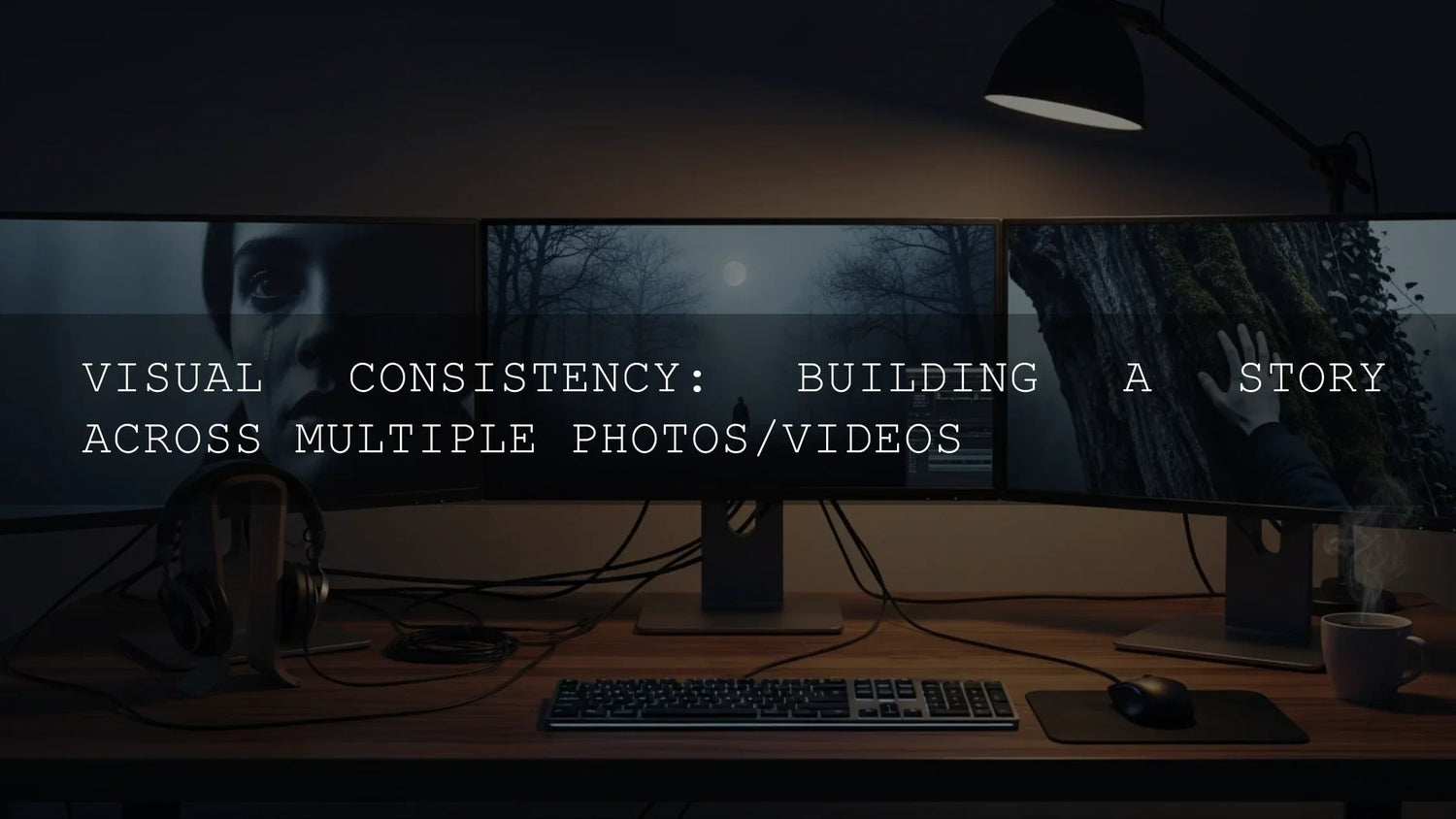
Hey there, fellow creators! Ever scroll through a feed and just know it's from the same person, even before you see the username? That's the magic of visual consistency, it's more crucial than ever for building a compelling narrative across your photos and videos. It’s not just about pretty pictures; it’s about creating a unified experience that draws your audience in and keeps them hooked. In today's fast-paced digital landscape, where attention spans are shorter than ever, a strong visual identity acts as an anchor, guiding viewers through your content and making it memorable. When done right, it transforms a collection of individual assets into a cohesive, engaging journey that tells your unique story.
Why Does Visual Consistency Even Matter? The Unseen Power of Cohesion
Think of it like a well-curated exhibition. Each piece stands on its own, but together, they tell a larger, richer story. In the digital world, this translates into a multitude of benefits that can significantly impact your reach and engagement. It’s the silent language that speaks volumes about your brand, your personality, and your professionalism. Let's dive deep into why this seemingly subtle aspect of content creation is so powerful:
- Brand Recognition: This is perhaps the most immediate and tangible benefit. When your visuals are consistent – from the color grading and lighting to the subjects you photograph and the way you frame your shots – people start to recognize your style instantly. This immediate recognition builds familiarity, which is the bedrock of trust and memorability. A consistent look and feel makes your content instantly identifiable, helping you cut through the noise and stand out in a crowded digital space. Think of iconic brands; their visual language is so distinct that you know them at a glance.
- Professionalism and Credibility: A consistent visual aesthetic screams professionalism. It shows that you've invested time and thought into your presentation, demonstrating a level of care and dedication that can be incredibly persuasive. This perceived professionalism can make a huge difference, whether you're trying to attract new followers, land clients for your photography or videography services, build a community around your artistic endeavors, or sell products. It signals that you're serious, meticulous, and reliable, fostering confidence in your audience.
- Enhanced Storytelling Power: Visual consistency is not just about looking good; it's about telling a story effectively and immersively. Each photo or video you share becomes a chapter in a larger narrative. By maintaining a consistent visual language, you guide your audience through your journey, your message, your brand identity, or your product offering in a cohesive and understandable way. It creates a visual flow, a narrative thread that connects disparate pieces of content, making the overall experience more immersive, understandable, and impactful. It helps viewers follow your arc, understand your message, and connect with the emotions you're trying to convey.
- Deeper Audience Engagement: When your content feels cohesive and flows seamlessly from one piece to the next, it's simply more enjoyable and satisfying to consume. This leads to tangible results: longer viewing times on videos as viewers are drawn into the consistent atmosphere, increased time spent on your profile exploring more of your cohesive work, more shares as viewers feel compelled to spread the consistent aesthetic they enjoy, and ultimately, deeper, more meaningful connections with your audience. They feel like they're part of something ongoing, well-defined, and worth returning to.
- Building Anticipation and Loyalty: A consistent visual theme can also build anticipation. Your audience will start to look forward to your next post, knowing what kind of visual experience they can expect, but also eager to see how you continue to develop your story within that established framework. This predictability, coupled with creative evolution and engaging content, fosters a sense of loyalty. They become invested in your visual world and eager to see what happens next.
- Improved Content Organization and Workflow: For the creator, maintaining visual consistency often leads to a more streamlined workflow. When you have a clear vision of your aesthetic, decision-making during shooting and editing becomes faster and more intuitive.
Key Elements of Visual Consistency: The Building Blocks of Your Aesthetic
So, how do we achieve this elusive visual harmony? It's not about rigid, suffocating rules, but about mindful choices and consistent application of a few key ingredients. Think of these as the fundamental elements of your visual language, the DNA of your brand's visual identity.
1. The Power of Color: Your Visual Signature
Color is arguably the most impactful element in establishing visual consistency. It evokes emotion, sets the mood, and provides immediate recognition. Deciding on a primary and secondary color palette and striving to incorporate them intentionally is paramount.
- Identify Your Brand Colors: What colors best represent your brand's personality and message? Are they warm, earthy tones that evoke comfort, nature, and approachability? Cool, crisp blues and grays for a modern, professional, and trustworthy feel? Or vibrant, energetic hues that speak of passion, creativity, and excitement? Your color choice is your visual signature, the first emotional cue your audience receives.
- Use Them Intentionally: This doesn't mean every single shot needs to be a color bomb or that you should force colors where they don't belong. It's about subtle, strategic integration. Use your colors in clothing worn by subjects, in backgrounds, in props, in digital brand elements (like logos or text overlays), or by carefully adjusting them during post-production editing. Think about how a recurring accent color can tie disparate images together.
- Consider Mood and Psychology: Different colors evoke different emotions and associations. Red might signify passion, urgency, or excitement; blue, calmness, trust, or professionalism; green, nature, growth, or tranquility; yellow, happiness or optimism. Choose colors that align with the feeling and message you want to convey to your audience. Your palette should be a deliberate choice that enhances your narrative.
- Consistency in Hue and Saturation: Once you've chosen your palette, aim for consistency in the hue (the pure color) and saturation (the intensity of the color) levels across your content. This can be achieved through careful shooting with a consistent white balance and lighting, and then refined with precise editing. Avoid wildly varying saturation levels from shot to shot unless it's a deliberate narrative device.
2. Lighting: The Atmosphere Architect
Lighting is the mood setter, the sculptor of form, and a critical tool for creating a consistent atmosphere and depth in your visuals. The way light falls on your subject and within your scene can dramatically alter its perception.
- Natural vs. Artificial: Decide if you will primarily rely on natural light, which can be beautiful but unpredictable and subject to time of day and weather, or invest in artificial lighting, which offers greater control and repeatability. Many creators use a combination, leveraging the beauty of natural light when possible and supplementing or replacing it with controlled artificial light for consistency.
- Light Quality and Direction: Do you prefer soft, diffused light (like that from an overcast sky or a large softbox) that creates gentle shadows and a dreamy, flattering feel, or hard, dramatic light (like direct sunlight or a spotlight) that emphasizes texture, creates strong contrasts, and adds a sense of drama? Consistently using the same type of light can create a familiar and recognizable look.
- Time of Day: If using natural light, be mindful of the 'golden hour' (the period shortly after sunrise and before sunset) for its warm, soft, and flattering light, or the 'blue hour' (the twilight period) for a cooler, more atmospheric and moody feel. Shooting around the same time of day or understanding how to adjust for different times can help maintain color temperature consistency.
- Consistent Setups: For studio or controlled environments, develop a go-to lighting setup that you replicate for different shoots. This could involve specific key lights, fill lights, and backlight positions. This deliberate repetition is a hallmark of professional consistency.
3. Composition and Framing: Guiding the Viewer's Eye
How you arrange elements within the frame and the types of shots you use significantly influence the viewer's experience and contribute to your visual identity. Composition is about intentionality and guiding the viewer's gaze.
- Recurring Angles and Perspectives: Do you often shoot from a low angle to make subjects appear powerful and imposing? Or a high angle to provide a sense of overview or vulnerability? Maintaining a signature angle or a preferred set of angles can be very effective in creating a recognizable style.
- Shot Variety with Intent: While consistency is key, variety keeps things interesting and serves the narrative. Decide on a general balance of shot types – close-ups, medium shots, wide shots – and ensure transitions feel natural. For example, a consistent sequence like wide shot, medium shot, close-up can create a familiar rhythm.
- Use of Negative Space: How much empty or 'negative' space do you leave in your frame? A consistent approach to negative space can create a sense of calm, focus, or minimalism, or conversely, a feeling of busyness, energy, and information overload. Mastering your use of negative space can define your aesthetic.
- Symmetry and Balance: Do you favor perfectly symmetrical compositions, often using the rule of thirds, or asymmetrical balance? Whatever compositional style you choose, sticking to it reinforces your aesthetic and makes your work feel deliberate.
- Depth and Layering: Consistently using foreground, middle ground, and background elements can add depth and visual interest to your shots. Think about how you frame subjects using elements within the scene itself.
4. Editing Style: The Unifying Polish
This is where the magic of post-production truly shines, acting as the invisible glue that holds all your visual elements together and ensures they speak the same visual language.
- Develop or Utilize Presets: Creating custom presets for photo or video editing software ensures a uniform look across all your content with a single click or a few adjustments.
- White Balance Consistency: Pay close attention to achieving accurate and consistent white balance during shooting or in post-production. All images should have a natural, pleasing color temperature that aligns with your aesthetic.
- Contrast, Saturation, and Sharpness: Decide on a specific look for these key parameters. Apply adjustments consistently across your library of work.
- Grain or Noise: Will you embrace film grain for a vintage feel, or aim for a clean, sharp, digital look? Apply it consistently.
- Branding Elements: Ensure text overlays, logos, watermarks, or graphical elements are consistent in placement, font, size, color, and animation style.
5. Subject Matter and Themes: The Narrative Core
- Your Niche and Expertise: Define your focus and areas of expertise to sharpen your content and build authority.
- Recurring Elements and Motifs: Recurring subjects, props, or themes act as visual touchstones, creating familiarity.
- Narrative Progression: Ensure your visuals follow a logical, intentional story progression, contributing to a compelling narrative.
- Consistent Tone and Mood: Beyond visual look, maintain a consistent emotional thread – inspirational, humorous, introspective, or high-energy – to connect with your audience.
Putting It All Together: Practical Tips for Seamless Execution
- Create a Visual Style Guide: Even a simple one-page guide outlining colors, lighting, editing parameters, fonts, and composition can be incredibly helpful.
- Batch Processing is Your Friend: Edit multiple photos or clips at once to maintain consistency.
- Use Templates and Action Sets: Create reusable actions for editing and templates for video graphics to save time and guarantee consistency.
- Regularly Review and Refine: Periodically assess your work as a collection to ensure cohesion and identify areas for improvement.
- Get Feedback: Ask trusted peers or your audience for honest feedback on visual consistency.
- Don't Be Afraid to Evolve, But Do It Intentionally: Gradually introduce changes to your style with purpose, communicating significant shifts to your audience.
- Invest in Your Tools and Knowledge: Reliable equipment and proper calibration, along with learning resources, enhance consistency.
- Plan Your Content with Visuals in Mind: Consider how new content fits into your overall visual narrative before shooting or editing.
Visual consistency is no longer just a stylistic preference; it's a fundamental storytelling tool and a strategic necessity for anyone looking to make a lasting impact online. Whether you're a solo creator, a small business, an artist, or a large brand, mastering this aspect of your visual communication will differentiate you. By mindfully applying these principles – from your color palette and lighting to your composition and editing, and even the very subjects you choose – you can transform your individual photos and videos into a captivating, unified, and memorable experience that deeply resonates with your audience. It's about building a world, a mood, and a story that people want to keep returning to. So, go forth, get intentional, and start weaving those compelling visual tales!

Leave a comment
This site is protected by hCaptcha and the hCaptcha Privacy Policy and Terms of Service apply.