
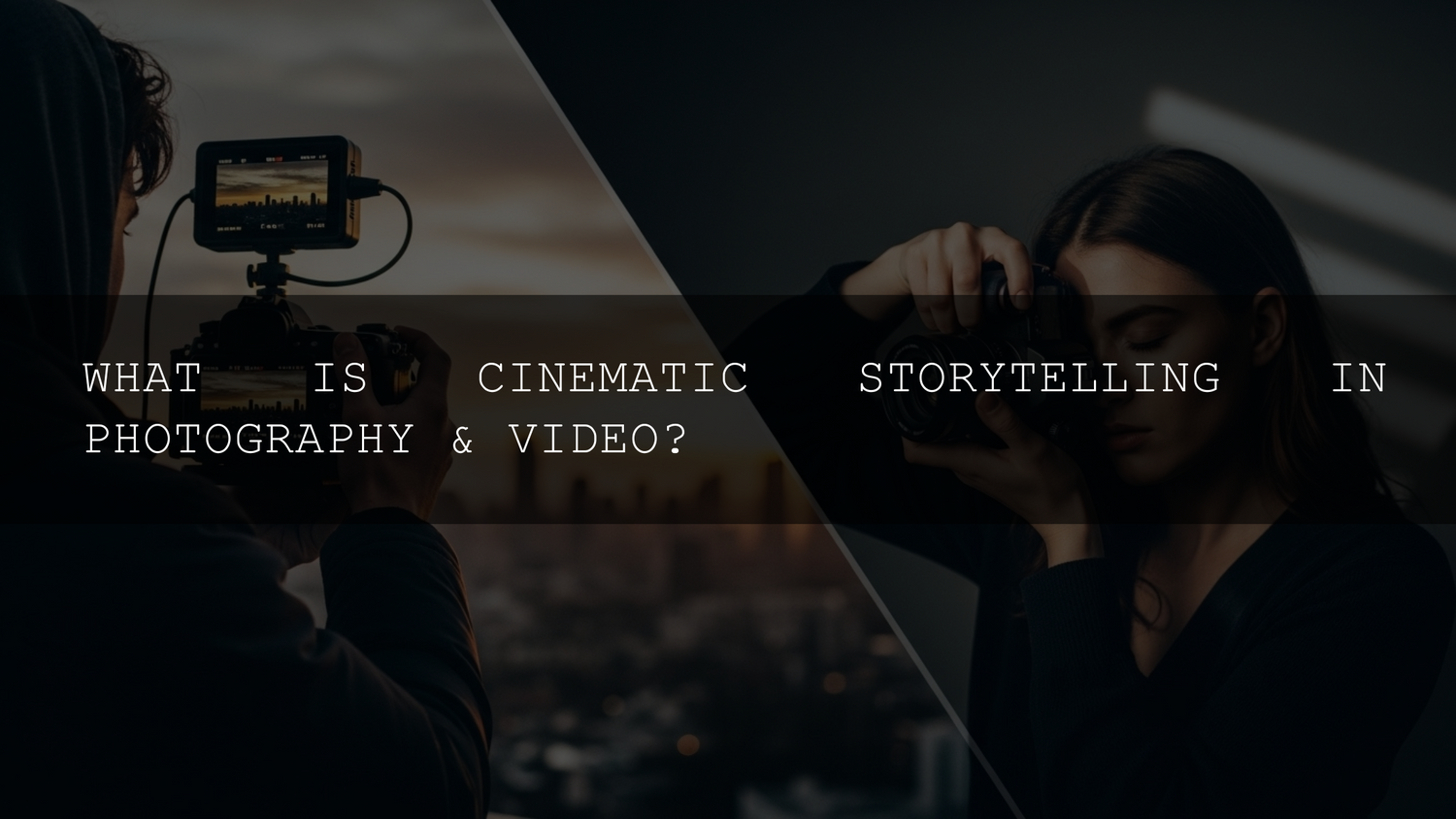
In the ever-evolving landscape of visual content, simply taking a good photo or shooting a decent video isn't enough anymore. Audiences are craving depth, emotion, and narratives that pull them in. This is where the art of cinematic storytelling comes into play. It's that intangible quality that transforms a static image or a sequence of clips into an immersive experience, a story that unfolds in the viewer's mind and heart. But what exactly is this magic ingredient, and how can you harness its power?
Deconstructing Cinematic Storytelling: More Than Just Pretty Pictures
At its heart, cinematic storytelling in photography and video is the deliberate craft of building a narrative that elicits an emotional response and guides the viewer through a specific experience or understanding. It’s about using the visual medium not just to document, but to interpret and convey. Think of it as painting with light, shadow, composition, and movement to create a world, establish a mood, and introduce characters or subjects that resonate. It’s the difference between seeing a vacation photo and feeling the warmth of the sun on your skin and the joy of that moment, or watching a drone shot of a landscape versus feeling the immensity and solitude of that place. This isn't limited to Hollywood blockbusters. Cinematic storytelling principles can be applied to a solo portrait, a wedding film, a product advertisement, or even a travel vlog. It’s a mindset – approaching your visual creation with the intent to tell a compelling story, no matter the scale.
The Pillars of Cinematic Appeal: Key Elements at Play
Achieving that sought-after cinematic feel involves a thoughtful integration of several interconnected elements. These aren't rigid rules, but rather powerful tools that, when wielded skillfully, create a cohesive and impactful narrative:
- Atmosphere and Mood: The Unseen Narrator. This is the emotional fingerprint of your piece. Lighting is paramount here – is it the harsh, dramatic contrast of a film noir, the soft, ethereal glow of a romantic drama, or the vibrant, energetic light of an action sequence? Color grading plays a crucial role too. A desaturated, cool palette can evoke melancholy or tension, while warm, rich tones might suggest comfort, nostalgia, or excitement. Even the subtle inclusion of environmental elements like fog, rain, or dust motes can dramatically enhance the atmospheric storytelling.
- Composition and Framing: Directing the Viewer's Gaze. Every element within the frame should serve a purpose. Beyond the rule of thirds, cinematic composition often utilizes leading lines to guide the eye, negative space to emphasize isolation or grandeur, symmetry for order or unease, and dynamic angles to inject energy or a unique perspective. Depth of field is another critical tool, drawing focus to the subject by artfully blurring the background or foreground, mimicking how our own eyes perceive importance.
- Subject and Emotional Resonance: The Heart of the Story. Whether it's a person, an object, or a landscape, the subject must evoke something. For human subjects, this means capturing genuine emotion – a fleeting glance, a subtle shift in posture, the intensity in their eyes. For inanimate objects or landscapes, it's about framing them in a way that suggests a story, a history, or a feeling. Is that abandoned car telling a tale of neglect, or is it a symbol of freedom? The context you provide through your composition and lighting answers these questions.
- Lighting: Sculpting with Light and Shadow. Lighting is the painter's brush in visual storytelling. It defines form, creates depth, directs attention, and dictates mood. Low-key lighting with deep shadows can build suspense and mystery, while high-key lighting with minimal shadows can convey openness and positivity. Consider the use of rim lighting to separate a subject from their background, or the dramatic effect of a single light source to highlight specific features or textures.
- Color Palette: The Emotional Language of Hues. Colors carry inherent psychological weight. A carefully chosen color palette can instantly communicate themes and emotions. Think of the recurring blues and yellows in certain genres, or the bold, contrasting colors used to signify conflict or passion. Consistency in your color palette throughout a series of images or a video project helps establish a strong, memorable aesthetic.
- Depth and Layering: Creating a Tangible World. Cinematic visuals feel three-dimensional, drawing the viewer into the scene. This is achieved by thoughtfully arranging elements in layers – foreground, mid-ground, and background. The interplay between these layers, often enhanced by selective focus, creates a sense of depth and realism that draws the audience in.
- Movement and Pacing (Crucial for Video): The Rhythm of the Narrative. In video, camera movement and the speed at which the story unfolds are paramount. A slow, deliberate dolly shot can create a sense of anticipation, while a handheld, shaky cam might convey urgency or chaos. The edit itself dictates the rhythm – quick cuts build excitement, while longer takes allow for contemplation. Even in still photography, the implied movement or stillness within the frame can tell a story about the energy or serenity of a moment.
- Narrative Arc: The Journey of the Story. Every good story has a beginning, middle, and end, even if it's subtly implied. In a single photograph, this might be a moment of tension before a climax, or the quiet aftermath of an event. In video, this arc is more pronounced, guiding the viewer through character development, conflict, resolution, and transformation.
The Undeniable Importance of Cinematic Storytelling
In an era saturated with fleeting digital content, the ability to craft a compelling narrative through visuals is no longer a niche skill; it's a necessity. Brands, artists, and creators who master cinematic storytelling stand out. Why is it so critical now?
- Cuts Through the Clutter: In a sea of visual noise, a cinematic approach commands attention and holds it longer.
- Drives Emotional Connection: People connect with stories and emotions, not just data or product features. Cinematic visuals tap into this primal need.
- Enhances Memorability: Emotionally resonant stories are remembered. This translates to stronger brand recall and greater impact for your work.
- Builds Authenticity and Trust: A well-told story, delivered with visual sincerity, fosters a sense of trust and authenticity with the audience.
- Elevates Perceived Value: Content that looks and feels professional and thoughtfully crafted often has a higher perceived value, whether it's a piece of art or a marketing campaign.
- Facilitates Deeper Understanding: Complex ideas, emotions, or brand messages can be communicated more effectively and intuitively through cinematic visual language.
Practical Steps to Cultivating Your Cinematic Vision
So, how do you begin weaving this magic into your own work?
- Immerse Yourself in Cinema and Photography: Actively study the work of directors and photographers whose visuals you admire. Deconstruct their choices. What makes that shot impactful? How do they use light and color? What is the emotional journey?
- Prioritize Lighting: Learn the fundamentals of lighting. Experiment with natural light, understanding how it changes throughout the day. Invest in basic lighting equipment and learn to control it to shape your scenes and subjects.
- Develop a Color Strategy: Before shooting, think about the emotional tone you want to achieve and select a corresponding color palette. Use color grading in post-production to unify your visuals and enhance the mood.
- Compose with Intent: Treat every frame as a deliberate arrangement of elements. Ask yourself if each object, line, and space serves the story. Explore different perspectives and focal lengths.
- Focus on the 'Why': Always ask yourself: What is the core message or emotion I want to convey? Who am I telling this story to? This clarity will guide all your creative decisions.
- Master Post-Production Tools: Software like Adobe Premiere Pro, Final Cut Pro, DaVinci Resolve (for video) and Lightroom, Photoshop (for stills) are essential for refining your cinematic look. Learn about color grading, sound design, and editing techniques.
- Practice and Iterate: Like any craft, cinematic storytelling requires practice. Shoot, edit, get feedback, and refine your approach. Don't be afraid to experiment and push your boundaries.
The Enduring Power of a Well-Told Visual Story
Cinematic storytelling in photography and video is about more than just aesthetics; it's about crafting experiences that resonate deeply. It’s the bridge between a visual and an emotion, between an image and a narrative. As the digital world continues to expand, the ability to tell stories that captivate, move, and inspire will become an increasingly valuable skill. By understanding and applying the principles of cinematic storytelling, you can elevate your work, connect more profoundly with your audience, and leave a lasting impression. So, start thinking like a filmmaker, even when you're just holding a camera or phone, and unlock the storytelling potential within every frame.

Leave a comment
This site is protected by hCaptcha and the hCaptcha Privacy Policy and Terms of Service apply.